[Behind the Scenes of Chefs Chat] Interview with Keiko of “sora mame”
Keiko Ikeda runs sora mame, a macrobiotic-based cooking class in Bondi Junction, Sydney.
Through nourishing food, her classes bring vitality to both body and mind—but what philosophy and experiences lie behind this unique space?
This time, we had the opportunity to hear her story directly.
One phrase that particularly stood out during the interview was:
“People tell me they feel good after eating.”
It made me realise that this might be one of the most important aspects of cooking.
What inspired you to start your cooking classes?
I used to work for a publishing company, but during the Global Financial Crisis, the company closed down. That was when I decided to seriously pursue macrobiotics, something I had always been interested in.
I had wanted to practice a healthier way of eating, and I felt it was the perfect opportunity.
So I returned to Japan and attended a school founded on the teachings of Michio Kushi. I was fortunate to receive lectures directly from him, which gave me a deep and meaningful education.
Was there a turning point along your journey?
At one point, I began experimenting with making fermented seasonings using koji.
While running macrobiotic cooking classes, I wanted to incorporate traditional Japanese ingredients like koji. So I went back to my hometown of Aizu and learned directly from a local koji maker, starting from scratch and gaining hands-on experience.
That became a major turning point for me.
Now, I not only use koji for making miso, but also produce and sell koji-based seasonings, which are used in local restaurants and sold at markets.
What is your mindset when teaching your classes?
Above all, I want people to enjoy themselves.
It makes me happy when participants can cook together and truly enjoy food that tastes delicious.
What kind of people attend your classes?
Because I’m based in Bondi Junction, many participants are Japanese residents living in Sydney, but I also welcome locals and people from various cultural backgrounds.
I’m especially happy when local Australians join.
When the class consists mainly of Japanese participants, I teach in Japanese, and when needed, I conduct the lessons in English.
What makes your classes unique?
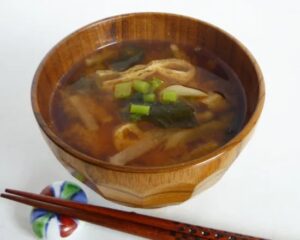
I teach cooking that uses no animal products or chemical seasonings.
That means no meat, eggs, dairy, or fish—and no artificial flavour enhancers. Despite that, I focus on creating dishes that are satisfying and truly delicious.
What brings me the most joy is when people say, “I feel good after eating,” or “That was genuinely delicious.”
Food has a profound impact on both body and mind, so helping people feel energised through what they eat is incredibly rewarding.
What do you value most during your lessons?
Clarity.
I try to explain things in a way that anyone can understand, without using complicated terminology. Cooking is something familiar to everyone, so I aim to create an environment where people can learn in a relaxed and enjoyable way.
How do you support beginners?
I make sure to respond carefully to every question.
Most people already have some familiarity with cooking, so I explain things in simple terms and ensure that all questions are answered thoughtfully.
What defines “good cooking” for you?
Good cooking is not just about tasting good—it’s about how you feel after eating.
If your body and mind feel balanced afterwards, that’s what I consider truly good food.
What is important in home cooking?
Cooking with a gentle heart.
If you cook while feeling irritated or rushed, that energy transfers to the person eating the food. So when you’re busy or tired, it’s okay to prepare just one simple dish—what matters is making it with care.
Even with fewer dishes, that kindness will be felt, and everyone will feel happier as a result.
What do you consider when selecting ingredients?
I try to choose ingredients that are as natural as possible, avoiding pesticides and additives whenever I can.
I believe it’s important to work with foods that are close to their natural state.
How do you utilise Australian ingredients?
Although macrobiotics originated in Japan, I explore ways to adapt it using ingredients available in Australia.
For example, some ingredients like burdock root are hard to find here, so I experiment with alternatives and adjust my recipes accordingly.
Do you have any memorable student experiences?
After cooking, I often notice how calm and relaxed everyone looks.
When people tell me they feel relaxed or uplifted after eating, it’s incredibly rewarding.
What kind of impact do you hope to have through your cooking?
I don’t aim to do anything extraordinary, but I hope to spark interest.
Even for those who think cooking is difficult, I want to show that small adjustments can make it more approachable.
Any recent challenges or new initiatives?
Alongside my cooking classes, I recently launched an online program called “Uchū Kitchen” (Space Kitchen).
It’s designed so that even busy people can easily incorporate these ideas into their daily lives, without focusing too heavily on macrobiotics.
I’d like to continue offering practical ways for people to enjoy healthier eating.
Any upcoming plans?
I’m planning to host a “Uchū Kitchen” session in Nagano soon.
I hope to share the importance of food with more people in Japan as well.
What is the most rewarding moment in your work?
When someone tells me, “I feel good after eating.”
That’s when I truly feel that the food has had a positive impact on both their body and mind.
What challenges have you faced?
The biggest challenge has been adapting to different ingredients.
Japanese and Australian ingredients differ in both flavour and properties, so figuring out substitutions was difficult at first.
I had to test recipes many times—and by the time I perfected them, I was sometimes tired of eating them! (laughs)
But overcoming that process has given me confidence in what I create today.
What do you think is important for the future of food and culinary education?
I believe it’s essential to eat “real, natural food.”
In today’s world, there are many things that resemble food but are not truly food. Understanding the true nature of ingredients and respecting them is key.
A message for those who want to learn cooking?
“Eat delicious food and nurture both your body and mind.”
Through cooking, I hope people can appreciate the power of ingredients and the importance of how we eat.
There’s no need to rush—just revisit your eating habits at your own pace and enjoy the learning process.
Finally, how would you describe cooking in one word?
“Cooking is life.”
Because it is directly connected to life itself, eating is something deeply important.
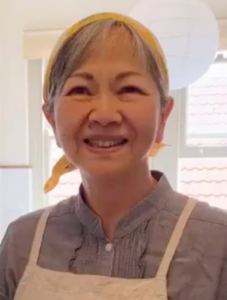
Through this interview with Keiko, we are reminded of how deeply food influences both our body and mind.
Her classes and online programs offer an opportunity to rediscover the importance of enjoying meals while building a healthier lifestyle.
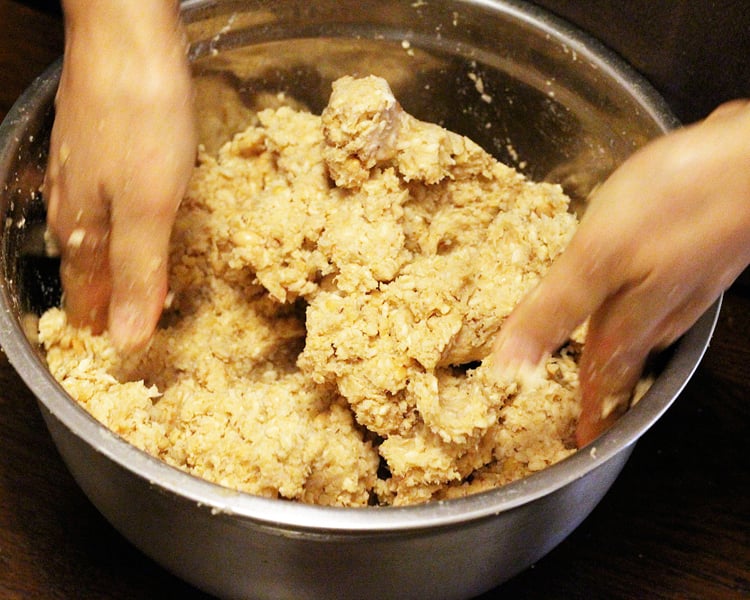
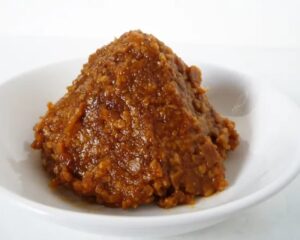
Keiko will also be a featured instructor at the 21st Food & Dialogue Session, where she will explore the depth of cooking and fermentation with a focus on miso.
Date: Monday, 29 June 2026
Location: Dekura Studio (369 Penshurst St, Chatswood NSW 2067)
Have you ever made miso from scratch?
Join us to experience authentic miso-making guided by a fermentation expert, and enjoy dishes made with miso.
Further details will be prioritised for WON members. If you haven’t registered yet, please sign up for free via the link below.
Individual Membership – Washoku Oceania Network | オセアニア日本食レストラン協会
If you’re interested, we highly encourage you to explore Keiko’s “Uchū Kitchen” online program or visit her Sydney-based classes to experience a new world of food.
Cooking Class: soramame kitchen
Instagram: https://www.instagram.com/keikosoramame/
Facebook: https://www.facebook.com/keiko.ikeda.507/
LINE Official: https://lin.ee/9tvW0iX